

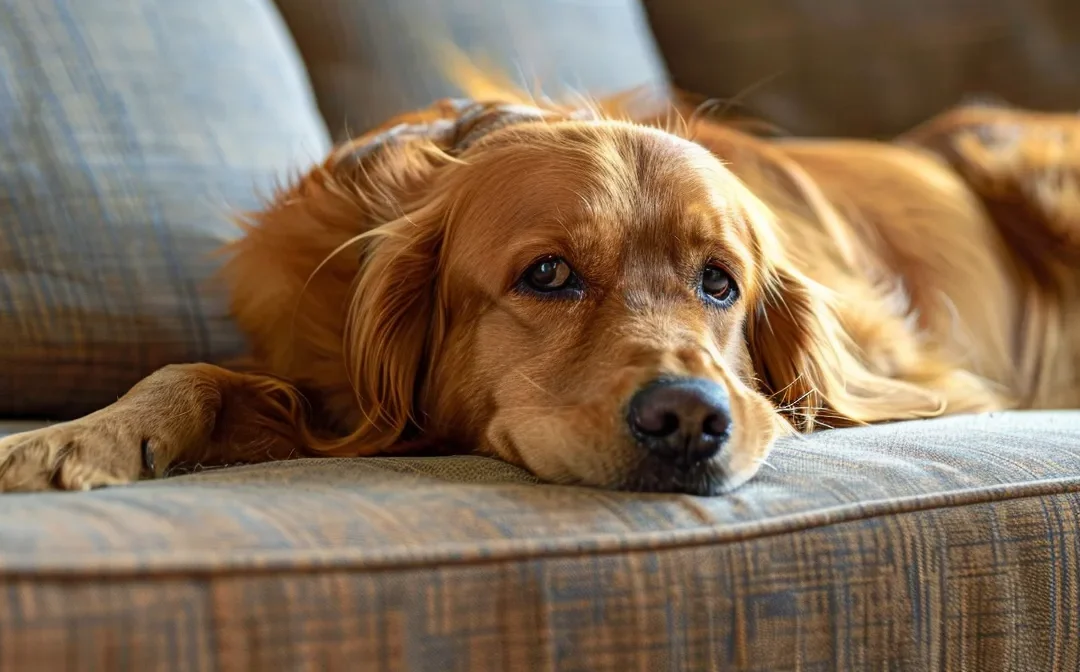
It starts as a faint whiff when you walk through the door after work. It’s stronger on rainy days or during the spring thaw. You’ve scrubbed, you’ve sprayed, and you’ve even rented the grocery store machine. Yet, the smell persists.
In Idaho Falls, where homes are sealed tight against the winter cold for months, indoor air quality is a critical concern. When that sealed environment is combined with the science of pet urine, you create a perfect storm for lingering odors. This isn’t just a cleanliness issue; it’s a chemical one.
This guide explores why “masking” agents fail, the specific chemistry of urine in Idaho’s climate, and the scientific protocol required to restore your home’s hygiene.
The Science of the Stain
To understand why your carpet still smells, you must understand the enemy. Pet urine is not a single substance; it is a chemical cocktail that evolves as it dries.
The Chemistry of “Reactivation”
When a pet urinates on the carpet, the liquid is acidic (pH 5-6). It’s easy to clean at this stage. However, as it dries, it undergoes a chemical transformation:
-
Bacteria Growth: Bacteria naturally present in the carpet begin to feed on the organic proteins in the urine.
-
Ammonia Gas: As bacteria digest the urine, they release ammonia gas, creating that sharp, stinging odor.
-
Uric Acid Crystals: This is the critical failure point for DIY cleaning. As the urine dries, the uric acid component forms microscopic salts (crystals).
The Idaho Falls Factor:
Idaho Falls has a unique climate—extremely dry winters followed by rapid spring thaws.
-
Dry State: In the winter, your home’s humidity drops. The uric acid crystals dry out and become dormant. You might not smell them as strongly.
-
The Reactivation: When we get a wet spring snow or you use a steam cleaner, you introduce moisture. Moisture reactivates the crystals. They chemically “bloom,” releasing fresh ammonia gas. This is why the smell often worsens right after you attempt to clean it yourself.
Anatomy of a Floor Damage
The stain on top of the carpet is the “tip of the iceberg.” Gravity pulls the liquid down.
-
The Carpet Fiber: The visible layer.
-
The Backing: The stiff material holding the carpet together. Urine dissolves the latex glue here, causing delamination.
-
The Pad: The sponge-like layer underneath. It absorbs the bulk of the urine and acts as a reservoir for odors.
-
The Sub-floor: In many Idaho Falls homes, this is wood or concrete. If urine penetrates the pad, it soaks into the sub-floor, requiring specialized sealing to treat.
Why “Grocery Store” Cleaners Fail
| Cleaning Method | Mechanism of Action | Effect on Uric Acid Crystals | Long-Term Result |
| Baking Soda & Vinegar | Acid/Base neutralization. | Zero. It creates a foam but does not break down the crystal structure. | The smell returns as soon as the vinegar evaporates. |
| Rental Carpet Cleaners | Surface-level water injection. | Negative. The water spreads the crystals to a wider area (the “blooming” effect). | The stain often looks larger, and the smell is amplified. |
| Enzymatic Digesters (Professional) | Biological consumption. | High. Enzymes “eat” the protein bonds holding the crystals together. | Permanent removal of the odor source. |
| Masking Sprays (Febreze, etc.) | Sensory distraction. | Zero. Coats the sensors in your nose, not the stain. | Layered odors (e.g., “Lavender Wet Dog”). |
The Health Risks of Ignoring the Issue
In sealed environments—common in Eastern Idaho during freezing months—pet waste contributes significantly to poor Indoor Air Quality (IAQ).
The EPA highlights several risks associated with biological contaminants:
-
Ammonia Exposure: High concentrations of cat urine can trigger respiratory distress, particularly in children or those with asthma.
-
Mold Growth: Urine provides a food source (moisture + organic material) for mold. In the dark, warm environment under your carpet pad, mold colonies can thrive.
-
Bacterial Transmission: Old urine stains are breeding grounds for bacteria that can be tracked onto furniture and beds.
Local Insight: With the inversion that often settles over the Snake River Plain, outdoor air quality can be poor. Don’t compromise your indoor air quality by allowing pet waste to off-gas in your living room.
The 7-Step Protocol for Restoration
If you are dealing with a severe contamination issue, this is the only process that guarantees success.
-
Source Identification (UV Mapping):
You cannot clean what you cannot see. Professional restoration begins with high-intensity Ultraviolet (UV) lighting. Urine salts glow under UV light, revealing “accidents” you didn’t know existed.
-
Dry Soil Removal:
Thorough pre-vacuuming with HEPA filtration removes pet dander and hair, preventing a “mud” slurry from forming during the wet stage.
-
Enzymatic Pre-Treatment:
This is the “magic” step. A bio-enzymatic solution is applied to the spots. It must be allowed to dwell (sit) for 15–20 minutes. During this time, the enzymes digest the uric acid crystals.
-
Sub-Surface Extraction (The Water Claw):
Standard wands only clean the fibers. A sub-surface tool (often called a “Water Claw”) is placed over the spot. It floods the pad with fresh water and then vacuums it out from the bottom up, literally flushing the pad without removing the carpet.
-
Hot Water Extraction (The Rinse):
Once the contamination is removed from the pad, the carpet fibers are steam cleaned at 200°F+ to sanitize the surface.
-
pH Balancing:
A fiber rinse is applied to return the carpet to a neutral pH, preventing sticky residues that attract new dirt.
-
Rapid Speed Drying:
High-velocity air movers are used to dry the carpet quickly, preventing the “wet dog” smell or mold growth
Elevate Flood Restoration and Carpet Cleaning
Location: 1710 Piper St Suite M, Idaho Falls, ID
Certifications: IICRC Certified Firm, Eco-Friendly Approved
When DIY methods fail, or when the health of your home is at risk, you need a partner who understands the science of restoration. In Idaho Falls, Elevate Flood Restoration and Carpet Cleaning has established itself as the authority on pet stain remediation.
Technology & Chemistry
Elevate does not use a “splash and dash” approach. Their methodology is rooted in the Institute of Inspection, Cleaning and Restoration Certification (IICRC) standards.
1. Targeted Enzymatic Digestion:
Elevate utilizes professional-grade enzymatic and oxidizing solutions that are not available over the counter. These solutions are specifically formulated to break the chemical bond of the urine crystal. As stated in their process, they “diligently break down urine crystals at their source, effectively eliminating odors and preventing them from returning.”
2. Sub-Surface Extraction:
Understanding that the pad is the problem, Elevate employs specialized extraction techniques. This allows them to treat the issue deep in the flooring structure without the incredible expense of ripping up your carpet.
3. Truck-Mounted Power:
Their equipment injects superheated water (steam) to sanitize fibers while providing industrial-strength suction. This ensures that the water—and the dissolved urine—is actually removed from your home, rather than just pushed deeper into the floor.
The Risk-Free Guarantee
Perhaps the most significant differentiator for Elevate is their confidence in their results. They offer a transparent, neighborly promise:
-
The “Re-appearing Stain” Guarantee: If a stain reappears after they leave (a common issue with wicking), they will return to remove it for FREE.
-
Satisfaction Guarantee: If you aren’t happy, you don’t pay.
-
Exact Pricing: No “bait and switch.” The price you are quoted is the price you pay, based on exact square footage.
Certifications & Safety
-
Kid & Pet Safe: Elevate prioritizes eco-friendly chemicals that are safe for the most vulnerable members of your family.
-
IICRC Certified: This ensures the technicians following the ANSI/IICRC S100 Standard for Professional Cleaning of Textile Floor Coverings.
Steam vs. Chemical Dry Cleaning
| Feature | Elevate (Hot Water Extraction) | Chemical / Dry Cleaning |
| Sanitization | High. Heat (200°F+) kills bacteria and mites. | Low. Relies on chemical reaction, not heat. |
| Urine Removal | Excellent. Flushes contaminants out of the home. | Poor. Often buffs the surface but leaves urine in the pad. |
| Chemical Residue | None. Thorough rinse leaves fibers neutral. | Moderate. Some methods leave a coating on fibers. |
| Deep Cleaning | Yes. Reaches the base of the fiber and pad. | No. Primarily a surface cosmetic clean. |
Frequently Asked Questions
Q1: Why does my carpet smell worse after I cleaned it with a rental machine?
A: You likely reactivated the urine crystals. The water from the rental machine dissolved the dried salts, releasing ammonia gas, but the machine’s suction wasn’t powerful enough to extract the dirty water. You effectively spread the urine over a larger area.
Q2: Can you remove old pet stains that have been there for years?
A: Yes. While the yellow pigmentation (urochrome) can sometimes permanently dye fibers (especially wool or nylon), the odor and the sanitary issue can always be resolved through enzymatic treatment and sub-surface extraction.
Q3: Is the cleaning solution safe for my new puppy/baby?
A: Elevate uses eco-friendly, non-toxic solutions designed specifically for households with children and pets. There are no harsh solvents left behind.
Q4: How long does it take for the carpet to dry?
A: With Elevate’s high-power extraction and speed-drying fans, most carpets are dry in 4–8 hours. Humidity and airflow in your home will affect this.
Q5: Will the urine damage my sub-floor?
A: If left untreated, yes. Urine can rot wooden sub-floors and etch concrete. Professional sub-surface extraction is the best way to stop this damage without replacing the flooring.
Q6: Do you move furniture?
A: Elevate technicians will carefully move most standard furniture items (sofas, tables) to clean underneath and place protective blocks under the legs. Large, heavy items (pianos, china cabinets) are usually worked around for safety.
Q7: How often should I have my carpets cleaned if I have pets?
A: The EPA and carpet manufacturers recommend professional cleaning every 6–12 months for homes with pets to maintain indoor air quality and reduce allergen buildup.
Conclusion
Living in Idaho Falls offers a beautiful lifestyle, but it comes with unique challenges for home maintenance. Don’t let the seasonal thaw or a new puppy compromise the comfort of your home. The science is clear: masking the problem only delays the inevitable.
To restore your home to a “Zero-Odor” standard, you need the combination of biological science and industrial technology.
Restore your home today.