


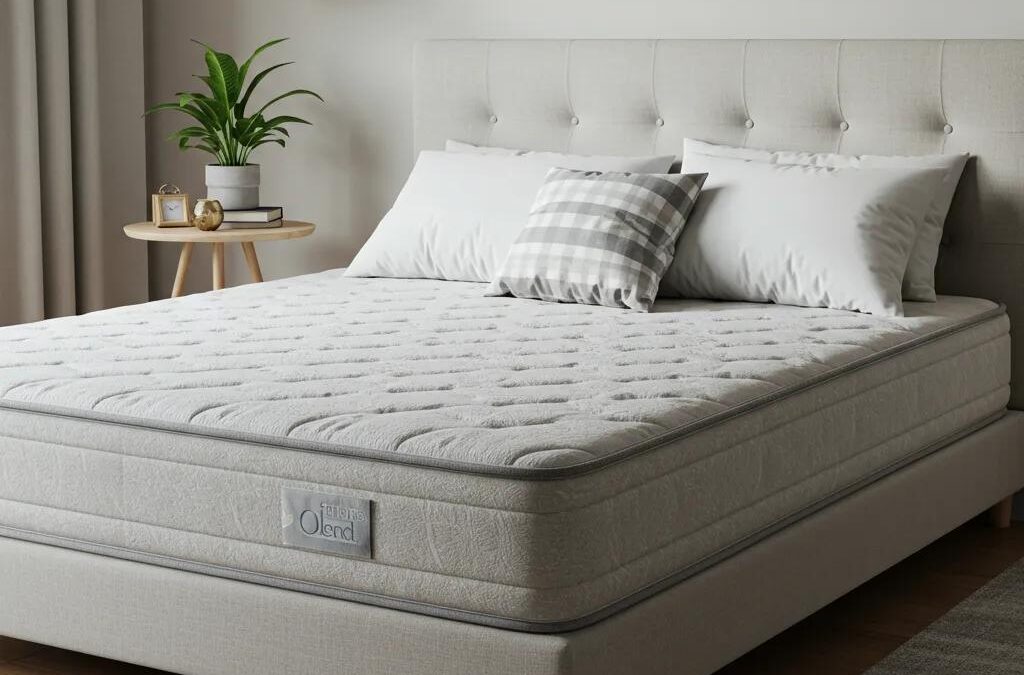
A mattress is a hidden ecosystem where allergens accumulate and quietly undermine sleep health and indoor air quality. This article explains why mattresses become major allergen sources, how professional mattress cleaning removes dust mites, pet dander, mold spores, and bacteria, and what practical DIY steps you can use between deep cleans. You will learn the cleaning processes that remove allergen reservoirs, evidence-based prevention tactics like HEPA vacuuming and humidity control, and how targeted maintenance improves sleep and reduces allergy or asthma symptoms. The guide also maps local considerations for Eastern Idaho—including Idaho Falls, Ammon, Rigby, Shelley, Pocatello, and Rexburg—so you can prioritize prevention where seasonal pollen, agricultural dust, and pet ownership patterns increase risk. Read on for simple steps, the professional process, comparison tables for cleaning methods, and clear timing recommendations for homeowners and people with respiratory conditions.
Why Is Your Mattress a Major Source of Allergens?
A mattress traps skin flakes, moisture, and debris that feed dust mites and support microbial growth, making it a concentrated allergen reservoir affecting breathing while you sleep. The porous layers and seams collect dander, sweat, and spilled liquids that together create favorable microclimates for dust mites and mold spores. Reducing that load requires removing particles (vacuuming, extraction) and addressing the biological agents (heat, sanitization) that survive in fibers. Understanding the common allergen types clarifies which interventions work best and why regular maintenance matters for indoor air quality and nightly symptom control.
What Are the Most Common Mattress Allergens Like Dust Mites and Pet Dander?
Dust mites are microscopic organisms that normally live throughout homes and businesses. The mites and their waste products thrive in:
- Draperies
- Stuffed animals
- Bedding, pillows, and mattresses
- Upholstered furniture
- Carpets
- Air (but only right after vacuuming or sweeping)
Pet dander consists of tiny skin and hair particles that become airborne and settle into textiles. Both produce protein-rich particles that trigger allergic inflammation in sensitized individuals and can persist unless physically removed or neutralized. Typical symptoms include nasal congestion, sneezing, itchy eyes, nighttime coughing, and disrupted sleep, especially for people with allergic rhinitis or asthma. Recent studies and clinical guidance indicate that reducing mattress allergen load measurably lowers nighttime symptoms and improves sleep continuity for many sufferers.
How Do Allergens in Mattresses Affect Allergy and Asthma Symptoms?
Allergen exposure during sleep increases inhaled dose because people spend prolonged periods in close contact with bedding, which elevates nighttime symptom frequency and can worsen asthma control. Inhaled mite and dander proteins stimulate airway inflammation, causing wheeze, cough, and sleep fragmentation that reduce restorative sleep stages. Clinical evidence shows that environmental control measures that lower household allergen levels correlate with fewer symptoms and reduced medication use in some patients. For people with moderate to severe asthma, periodic professional deep cleaning complements medical management and can be part of a risk-reduction plan.
Which Local Factors in Idaho Falls and Surrounding Areas Increase Mattress Allergen Risks?
Eastern Idaho experiences seasonal pollen and agricultural dust that increase particulate settling indoors, while common pet ownership patterns mean more dander introduction into bedrooms across Idaho Falls, Ammon, Rigby, Shelley, Pocatello, and Rexburg. Local heating and cooling habits, plus indoor humidity from showers or older homes, can raise mattress moisture and favor dust mite survival and occasional mold growth in mattress seams. Geographic and lifestyle factors combine: outdoor pollen entering homes, pets sharing beds, and variable humidity all elevate mattress allergen risk. Addressing these local drivers helps prioritize measures like air filtration, stricter bedroom rules for pets, and humidity control to limit re-colonization.
How Does Professional Mattress Cleaning Remove Allergens Effectively?
Professional mattress cleaning uses a sequence of detection and removal steps—inspection, HEPA vacuuming, targeted pre-treatment, steam or hot-water extraction, and sanitization—to reduce allergen reservoirs and restore indoor air quality. The process pairs mechanical removal (vacuuming, extraction) with thermal or chemical sanitization that inactivates microbial contaminants and dislodges mite allergens from fibers. Evidence-based practice favors HEPA filtration to capture fine particles and hot-water extraction or steam mattress cleaning to denature proteins and remove embedded residues. The following numbered process outlines typical professional steps and why each matters.
- Inspection and risk assessment: Identify stains, moisture, and mattress type to select the safest method.
- HEPA vacuuming: Capture loose dust, dander, and surface particles before wet treatments.
- Pre-treatment of stains: Apply targeted, eco-friendly solutions to loosen biological soils.
- Steam/hot-water extraction or dry extraction: Penetrate layers to extract entrained allergens.
- Sanitization and deodorization: Apply non-toxic sanitizers and allow controlled drying to reduce microbial load.
This stepwise approach maximizes allergen removal while preserving mattress integrity and minimizing residual moisture that can encourage regrowth. Understanding method trade-offs helps homeowners choose services that match mattress type and health priorities.
Research indicates that steam and heat treatments can significantly reduce house dust mite allergens in furnishings, leading to improved respiratory health for asthmatic patients.
Steam and Heat Treatment for the Reduction of House Dust Mite Allergens in Furnishings
House dust mite (HDM) allergens can accumulate to significant levels in domestic environments. Based on the observed sensitivity of HDMs to heat and their allergens to steam, a novel treatment for furnishings has been developed. Objective: To ascertain whether a combined steam and heat treatment of home furnishings effectively reduces bronchial hyperreactivity (BHR) in asthmatic patients and lowers HDM antigen loads. Methods: The residences of 30 asthmatic subjects, aged 18 to 45 years, were randomly assigned to one of three groups. In groups 1 and 2, mattresses and duvets underwent treatment with hot air (110°C), followed by steam, and then a subsequent heat application. All carpets within these groups were steam cleaned.
The control of allergens of dust mites and domestic pets: a position paper., MJ Colloff, 1992
What Advanced Cleaning Techniques Does Elevate Use for Allergen Removal?
Elevate Flood Restoration and Carpet Cleaning applies a professional workflow focused on health outcomes: inspection, HEPA vacuuming, steam or hot-water extraction, targeted stain treatments, and sanitization using non-toxic, pet- and child-safe solutions. The company highlights advanced techniques—HEPA filtration for airborne particulates, steam mattress cleaning and hot-water extraction to remove protein residues, and eco-friendly sanitizers to neutralize microbes—backed by satisfaction and spot-removal guarantees. These methods aim to reduce dust mite populations, lower airborne allergen counts, and address odors while protecting mattress materials. For local residents in Eastern Idaho, this service is positioned as a complement to routine maintenance that helps sustain cleaner sleep environments.
Studies have explored the effectiveness of HEPA vacuuming combined with dry steam cleaning for reducing allergens and other contaminants in carpets, suggesting a dual-action approach for cleaner indoor environments.
HEPA Vacuuming and Dry Steam Cleaning for Allergen Reduction
Dry steam cleaning, which has recently garnered attention as an effective method for reducing house dust mite (HDM) allergen concentration and loading in carpets, was evaluated in this study for its efficacy in lowering levels of polycyclic aromatic hydrocarbons (PAHs) as well as HDM allergens. Fifty urban homes with wall-to-wall carpeting, predominantly low-income and with known lead contamination, were studied in 2003 and 2004. Two carpet-cleaning interventions were compared: repeated HEPA (High Efficiency Particulate Air filtered) vacuuming alone, and repeated HEPA vacuuming supplemented with dry steam cleaning. Vacuum samples were collected to measure carpet loading of dust and contaminants immediately before and after cleaning. Paired comparisons were conducted to evaluate the effectiveness of the cleaning protocols in reducing the levels of PAHs and HDM allergens in carpets.
Evaluation of HEPA vacuum cleaning and dry steam cleaning in reducing levels of polycyclic aromatic hydrocarbons and house dust mite allergens in carpets, CH Yu, 2009
How Does Mattress Cleaning Improve Indoor Air Quality and Sleep Health?
Removing the bulk of mattress allergens reduces the continual source of airborne particles that recirculate during sleep, which in turn lowers nocturnal exposure and inflammatory triggers for allergic individuals. When professional cleaning decreases settled and airborne allergen counts, many people report fewer awakenings, reduced nasal symptoms, and improved subjective sleep quality within weeks. Regular maintenance also minimizes microbial growth that can produce odors or volatile compounds impacting perceived comfort. For sustained benefit, combine professional cleaning with ongoing prevention: protectors, frequent bedding washing, HEPA vacuuming, and humidity control.
Which Areas Do We Serve for Mattress Cleaning Near Idaho Falls, Ammon, Rigby, Shelley, Pocatello, and Rexburg?
Elevate provides mattress cleaning across Eastern Idaho, explicitly serving Idaho Falls and nearby communities such as Ammon, Rigby, Shelley, Pocatello, and Rexburg, with local technicians familiar with regional allergen patterns. Residents near well-known local landmarks and neighborhoods can request on-site inspections and localized recommendations for allergen control tailored to seasonal dust and pollen cycles. To arrange a service estimate or schedule a professional mattress cleaning, contact Elevate Flood Restoration and Carpet Cleaning and reference your city to receive area-specific guidance and service options. Local expertise helps align cleaning frequency and methods to the regional environment and household needs.
| Cleaning Method | Removes | Typical Drying Time | Best For |
|---|---|---|---|
| Steam mattress cleaning | Dust mites, dander, bacteria | 2–6 hours (low moisture) | Mattresses tolerant of heat; odor removal |
| Hot-water extraction | Embedded proteins, stains | 4–12 hours (controlled drying) | Heavily soiled mattresses, deeper extraction |
| Dry extraction | Surface particulates, light soils | <1 hour | Foam or latex mattresses sensitive to moisture |
This comparison clarifies method strengths so homeowners can match mattress material and allergy concerns to the appropriate treatment. Professional providers choose options that balance efficacy and mattress safety.
What Are Simple DIY Tips to Prevent Allergens from Building Up in Your Mattress?
Preventing allergen accumulation relies on repeatable habits that reduce inputs (dander, pollen), remove particulates, and control the microclimate that supports mites and mold. Regular washing, physical barriers, targeted vacuuming, and humidity control form a practical prevention package most homeowners can implement between professional cleans. These steps are low-cost, reduce nightly exposure, and extend the interval between deep professional treatments. Use the list below as an actionable checklist to reduce mattress allergen load at home.
- Wash bedding weekly in hot water when possible to remove allergens.
- Use a hypoallergenic, breathable mattress protector to block mite passage.
- Vacuum mattress surfaces with a HEPA-equipped vacuum every 1–2 weeks.
- Maintain indoor humidity below target range to limit mite and mold proliferation.
These habits substantially lower allergen inputs and make professional deep cleaning more effective when performed. For people with allergies or asthma, couple these DIY actions with scheduled deep cleaning to maintain measurable symptom improvements.
Effective mite allergen abatement can be achieved through a combination of controlling ambient humidity and employing high-efficiency vacuum cleaning.
Humidity Control and Vacuuming for Mite Allergen Abatement
Reducing ambient humidity and effectively removing allergens via vacuuming are recommended strategies for controlling mite allergens.
Mechanical ventilation and high-efficiency vacuum cleaning: a combined strategy of mite and mite allergen reduction in the control of mite-sensitive asthma, 2000
How Often Should You Wash Bedding and Use Hypoallergenic Mattress Protectors?
Wash pillowcases and sheets weekly in hot water when tolerated; launder blankets and mattress protectors every 2–4 weeks to remove accumulated particles and oils. Choose protectors labeled hypoallergenic, breathable, and fully encasing the mattress to prevent mite migration; waterproof membranes are useful for spill protection but prioritize breathability for comfort. Proper care—regular washing and following manufacturer laundering guidance—extends the life of protectors and preserves mattress materials. Routine protector use paired with periodic professional cleaning helps keep the mattress interior cleaner for longer.
Why Is Vacuuming Mattresses with HEPA Filters Important for Allergen Control?
HEPA vacuuming captures fine particles such as mite feces and dander that ordinary vacuums release back into the air, reducing airborne recirculation during cleaning. Use deliberate passes along seams and around edges where particulates accumulate, and vacuum weekly to interrupt buildup before proteins become embedded. Despite HEPA benefits, vacuuming alone cannot remove deeply lodged allergens; it is a preventive step that supports periodic deep extraction or steam cleaning. Integrating HEPA vacuuming with mattress protectors and washing produces a layered defense against allergen exposure.
How Can Controlling Bedroom Humidity Help Reduce Mattress Allergens?
Keeping indoor relative humidity below levels that favor dust mite reproduction reduces their numbers and limits mold growth on mattress surfaces and in seams. Aim to maintain indoor humidity in a controlled range to deter mite proliferation while preserving comfort; use ventilation, exhaust fans, or dehumidifiers as needed. Monitoring humidity with an inexpensive hygrometer helps identify problem periods, such as humid summer nights or damp basements that can elevate risk. Consistent humidity control complements cleaning and protector use to create a less hospitable environment for allergen sources.
What Are the Key Benefits of Keeping Your Mattress Allergen-Free?
An allergen-free mattress delivers measurable benefits for health, sleep quality, and household costs by reducing symptom triggers, improving comfort, and preserving mattress materials. Removing dust mites, dander, and microbial residues lowers nighttime inflammation and can translate to fewer awakenings and reduced reliance on short-acting relief measures. Cleaner mattresses also resist stain set-in and material breakdown, delaying the need for replacement and protecting your investment. The following list summarizes primary benefits and expected outcomes for household health.
- Improved sleep quality: Fewer nocturnal symptoms lead to longer uninterrupted sleep.
- Reduced allergy and asthma symptoms: Lower allergen exposure decreases inflammatory triggers.
- Extended mattress lifespan: Removing soils and microbes prevents material degradation over time.
Maintaining these benefits requires both routine home prevention and periodic professional cleaning to address deeply embedded allergen reservoirs. For homeowners seeking professional help, Elevate Flood Restoration and Carpet Cleaning offers targeted mattress cleaning services using inspection, HEPA vacuuming, steam or hot-water extraction, and sanitization to deliver these health and longevity outcomes. Scheduling periodic professional maintenance complements DIY steps, and Elevate’s local service across Idaho Falls, Ammon, Rigby, Shelley, Pocatello, and Rexburg helps residents maintain healthier sleep environments.
| Health Benefit | Mechanism | Expected Outcome |
|---|---|---|
| Reduced allergy symptoms | Removes dust mites and pet dander from mattress fibers | Fewer nighttime sneezes and less nasal congestion |
| Better sleep continuity | Lowers inhaled allergen dose during sleep | Longer REM and deep sleep periods reported |
| Slower material degradation | Eliminates biological soils that break down fibers | Delayed replacement and maintained comfort |
This mapping shows how specific cleaning actions translate into practical health and cost outcomes, guiding decisions about cleaning frequency and method selection.
How Does a Clean Mattress Improve Sleep Quality and Comfort?
Removing biological soils and odors improves perceived mattress comfort and can reduce micro-arousals caused by congestion or itching, which enhances sleep continuity. Cleaner surfaces feel fresher and are less likely to trigger sensory irritation that disturbs rest, contributing to better subjective sleep satisfaction. Small improvements in nightly symptoms often compound into meaningful daytime benefits like greater alertness and mood stability. Regular cleaning and preventive practices sustain these comfort gains over time.
In What Ways Does Mattress Cleaning Reduce Allergy and Asthma Symptoms?
Professional and thorough cleaning reduces the reservoir of proteins that trigger immune responses, lowering the stimulus for allergic inflammation and bronchial hyperreactivity in susceptible individuals.
Many people with allergic rhinitis or mild asthma notice fewer nocturnal symptoms and decreased medication rescue use after environmental controls and cleaning interventions.
For symptomatic individuals, a cadence of twice-yearly professional cleaning plus weekly protection and washing is a practical starting point to observe symptom change. Coordination with healthcare providers ensures environmental steps complement medical treatment.
How Does Professional Cleaning Extend the Lifespan of Your Mattress?
Removing stains, oils, and microbial growth prevents progressive breakdown of foam and fabric and limits odor development that can make mattresses feel worn sooner. Professional extraction methods lift soils that force premature replacement while targeted stain treatments prevent set-in discoloration.
Combined with protectors and proper handling, periodic professional maintenance preserves structural support and appearance. This maintenance strategy reduces total cost of ownership by delaying replacement and maintaining sleep quality longer.
Frequently Asked Questions
What are the signs that my mattress needs cleaning?
Common signs that your mattress requires cleaning include visible stains, unpleasant odors, and increased allergy symptoms such as sneezing or congestion upon waking. If you notice dust accumulation on the surface or if your mattress feels less comfortable than usual, these can also indicate a buildup of allergens. Additionally, if you have pets that share your bed, regular cleaning becomes even more crucial to manage dander and other allergens. Keeping an eye on these signs can help maintain a healthier sleep environment.
Can I clean my mattress myself, or should I hire a professional?
While DIY cleaning methods can help maintain your mattress, hiring a professional is often more effective for deep cleaning. Professionals use specialized equipment and techniques, such as steam cleaning and HEPA vacuuming, to thoroughly remove allergens and bacteria. DIY methods, like spot cleaning and vacuuming, can be beneficial for regular maintenance, but they may not eliminate deeply embedded allergens. For those with severe allergies or asthma, professional cleaning is recommended to ensure a comprehensive approach to allergen removal.
How long does it take for a professional mattress cleaning to dry?
The drying time for a professionally cleaned mattress can vary based on the cleaning method used. Typically, steam cleaning or hot-water extraction may require 2 to 12 hours for the mattress to dry completely, depending on the moisture level and environmental conditions. Factors such as room temperature, humidity, and airflow can also influence drying time. It’s advisable to allow adequate time for drying to prevent mold growth and ensure the mattress is ready for use again.
Are there any specific cleaning products I should avoid for my mattress?
When cleaning your mattress, it’s best to avoid harsh chemicals, bleach, and strong detergents, as these can damage the fabric and materials. Instead, opt for eco-friendly, non-toxic cleaning solutions that are safe for use on bedding. Additionally, avoid using excessive water, as it can lead to mold growth if the mattress does not dry properly. Always check the manufacturer’s care instructions for specific recommendations on cleaning products and methods suitable for your mattress type.
How can I maintain my mattress between professional cleanings?
To maintain your mattress between professional cleanings, establish a routine that includes washing bedding weekly in hot water, using a hypoallergenic mattress protector, and vacuuming the mattress surface with a HEPA-equipped vacuum every 1-2 weeks. Additionally, controlling indoor humidity levels and ensuring proper ventilation can help reduce allergen buildup. Regularly rotating your mattress can also help distribute wear evenly and prolong its lifespan, contributing to a healthier sleep environment.
What should I look for when choosing a mattress cleaning service?
When selecting a mattress cleaning service, consider their experience, customer reviews, and the cleaning methods they use. Look for companies that employ eco-friendly products and advanced techniques, such as steam cleaning and HEPA filtration, to ensure effective allergen removal. Additionally, inquire about their satisfaction guarantees and whether they offer tailored services based on your specific needs. A reputable service should also provide clear information about their process and pricing, helping you make an informed decision.
Conclusion
Maintaining a clean mattress is essential for reducing allergens and improving sleep quality, ultimately leading to better health outcomes. Regular professional cleaning, combined with effective DIY prevention strategies, can significantly lower allergy and asthma symptoms while extending the lifespan of your mattress. By prioritizing these practices, residents in Idaho Falls and surrounding areas can create a healthier sleep environment. Contact Elevate Flood Restoration and Carpet Cleaning today to schedule your mattress cleaning and experience the benefits firsthand.