


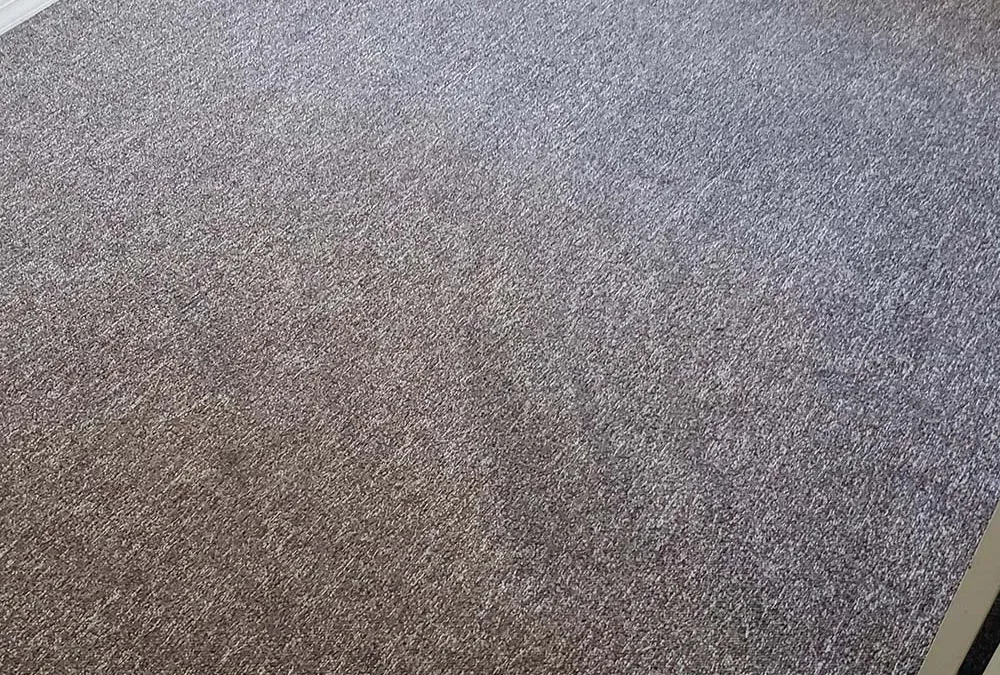
Carpets add comfort and style to a home, but stains can quickly dull their look and shorten their life. In this guide we cover practical stain-removal techniques used in deep carpet cleaning — from common household fixes to professional treatments. You’ll learn how to handle red wine, coffee, and pet messes, when to try DIY solutions, and when it’s time to call the pros. With the right approach, you can keep carpets cleaner, longer.
Common Carpet Stains: Types and Why They’re Hard to Remove
Stains come from many sources and each one behaves differently. Food and drink spills, pet accidents, and tracked-in dirt all bind to fibers in unique ways. That means one-size-fits-all cleaning often fails. Identifying what caused the stain helps you choose the right cleaner and technique so you don’t make the problem worse.
How red wine, coffee, and pet stains require different approaches
Red wine stains are highly pigmented and can set quickly; immediate blotting and a gentle lifting solution help prevent permanent color. Coffee usually responds well to mild detergent and rinsing to remove residue. Pet stains are organic — enzyme cleaners that break down proteins work best and also remove odors. Each stain calls for a specific, careful method to protect fibers and restore appearance.
Why identifying the stain matters for deep cleaning
Knowing what created the stain guides your choice of product and timing. The wrong cleaner can fix the stain in appearance but damage fibers, or it can set dyes deeper. Some stains need instant attention; others can wait for a targeted treatment. Correct identification also helps you prevent repeats by addressing the cause, not just the symptom.
Which Professional Techniques Give the Best Stain-Removal Results?
Pro cleaners use powerful tools and tested methods to remove set-in stains. Hot water extraction (steam cleaning) and enzyme-based treatments are especially effective for deep cleaning. Professionals combine the right equipment, pre-treatments, and rinsing to lift stains from deep in the pile, not just on the surface.
Steam cleaning versus enzyme treatments: when to use each
Steam cleaning (hot water extraction) uses heat and pressure to dislodge dirt and rinse it away — great for overall deep cleaning and sanitizing. Enzyme treatments use biological agents to break down organic stains like urine and food, which helps remove both the stain and the odor. In many cases the best result comes from using both approaches in sequence.
Research supports hot water extraction’s ability to reduce fungal contaminants and thoroughly sanitize carpet fibers.
What equipment and expert techniques improve stain extraction?
Professionals use truck-mounted machines and portable extractors that combine heat, pressure, and strong suction. They match cleaning solutions to the stain type, apply pre-treatments, and finish with grooming to restore pile. Those steps together remove soil, neutralize odors, and leave carpets looking refreshed.
DIY Carpet Stain Removal Tips Every Homeowner Should Know
For small spills and fresh stains, homeowners can often get great results with simple, safe methods. Keeping a few household items on hand and knowing which to use will help you act quickly and limit damage before a full deep clean is needed.
Which common household cleaners work best for different stains?
- White vinegar : Good for lifting color and neutralizing odors from wine and coffee stains.
- Baking soda : Absorbs moisture and tackles odors, especially helpful on pet accidents.
- Dish soap : Breaks down grease and many food spills when mixed with water.
You can combine these ingredients carefully to make gentle, effective spot cleaners. Always blot, rinse, and test on a hidden area first.
When should you call a professional instead of doing it yourself
DIY works for fresh, small stains, but professionals are the better choice for large, set-in stains, persistent odors, or when the carpet needs a full deep clean. Professionals can also help preserve warranties and restore heavily soiled areas that DIY methods can’t fully fi
How Eco-Friendly Cleaning Options Stack Up for Stain Removal
Green cleaning products are increasingly popular because they’re safer for families and the environment without sacrificing performance. Many use plant-based enzymes and mild surfactants that remove stains and odors while avoiding harsh chemicals.
Are green cleaners as effective as traditional products?
Studies and many user experiences show that green cleaners often match traditional cleaners for everyday stains. Plant-based enzymes and biodegradable surfactants break down common soils effectively, and they’re generally gentler on fibers and indoor air — a real benefit for homes with kids or pets.
Benefits of using eco-friendly methods for carpet care
- Healthier indoor air : Fewer harsh chemicals mean lower irritant levels for your family.
- Reduced environmental impact : Less pollution and safer disposal compared with heavy chemical cleaners.
- Better long-term carpet health : Gentler formulas help preserve fibers and appearance over time.
Those advantages make eco-friendly choices smart for both health and longevity.
Best Practices to Maintain Carpets After Deep Stain Removal
After a deep clean, routine care helps prevent new stains and keeps carpets looking their best. Simple, regular habits go a long way toward reducing wear and delaying the next deep cleaning.
How regular maintenance helps prevent stains and odors
Weekly vacuuming, quick attention to spills, and scheduled spot checks significantly reduce stain buildup. Establish a cleaning routine — vacuum at least once a week and address spills immediately. Protective treatments can also make carpets more stain-resistant and easier to clean in the future.
What role does professional cleaning play in long-term carpet care?
Professional cleaning is an important maintenance step. We recommend scheduling professional cleanings every 12–18 months, or more often for high-traffic homes and households with pets. Regular professional care removes deep soil and allergens, refreshes fibers, and helps your carpet last longer.
Frequently Asked Questions
What should I do right after a spill on my carpet?
Act quickly: blot the spill with a clean, dry cloth to soak up liquids — don’t rub. After blotting, apply a small amount of an appropriate cleaner (for example, a vinegar-and-water mix for wine or mild dish soap for greasy spots). Always test any solution on an inconspicuous area first and work from the outside in to avoid spreading the stain.
How often should I have my carpets professionally cleaned?
For most homes, a professional deep clean every 12 to 18 months is a good baseline. Homes with heavy foot traffic, young children, or pets may need cleaning every 6 to 12 months. Regular professional cleanings improve appearance, remove allergens, and extend the carpet’s useful life.
Can I use a steam cleaner on every carpet type?
Not always. Natural fiber carpets like wool or silk can be sensitive to heat and moisture and may shrink or get damaged. Check the manufacturer’s care instructions before using steam cleaning. Many synthetic carpets tolerate steam cleaning well, but when in doubt, consult a pro.
What are safe, eco-friendly alternatives to commercial carpet cleaners?
Simple household options include white vinegar, baking soda, and diluted hydrogen peroxide for some stains. Vinegar mixes lift many color stains, while baking soda absorbs odors. There are also commercially available green cleaners that rely on plant-based ingredients and avoid harsh chemicals, making them safer around kids and pets.
How can I protect my carpets against future stains?
Apply a carpet protector that repels liquids, vacuum regularly, and adopt a no-shoes policy to cut down on dirt. Use coasters for drinks and clean spills immediately. These small steps reduce wear and keep carpets looking newer longer.
What if a stain doesn’t come out after cleaning?
Don’t scrub — that can push the stain deeper. Reapply a gentle cleaner and blot again. For stubborn stains, use a stain remover designed for the specific type of soil. If the stain persists, call a professional who has access to stronger, targeted treatments and extraction equipment.
Conclusion
Removing carpet stains effectively combines the right timing, correct products, and proper technique. Knowing how different stains behave — and when to call a professional — helps you protect your investment. Pair regular maintenance with eco-friendly options when possible, and your carpets will stay cleaner and last longer. Explore more tips and trusted products to keep your carpets looking their best.