

For many residents of Eastern Idaho, the home is a sanctuary from the elements. Whether it’s the biting winter winds off the Snake River or the dusty heat of a high-desert summer, we spend a significant portion of our lives indoors. However, there is an invisible health factor in our homes that often goes overlooked: the state of our upholstery.
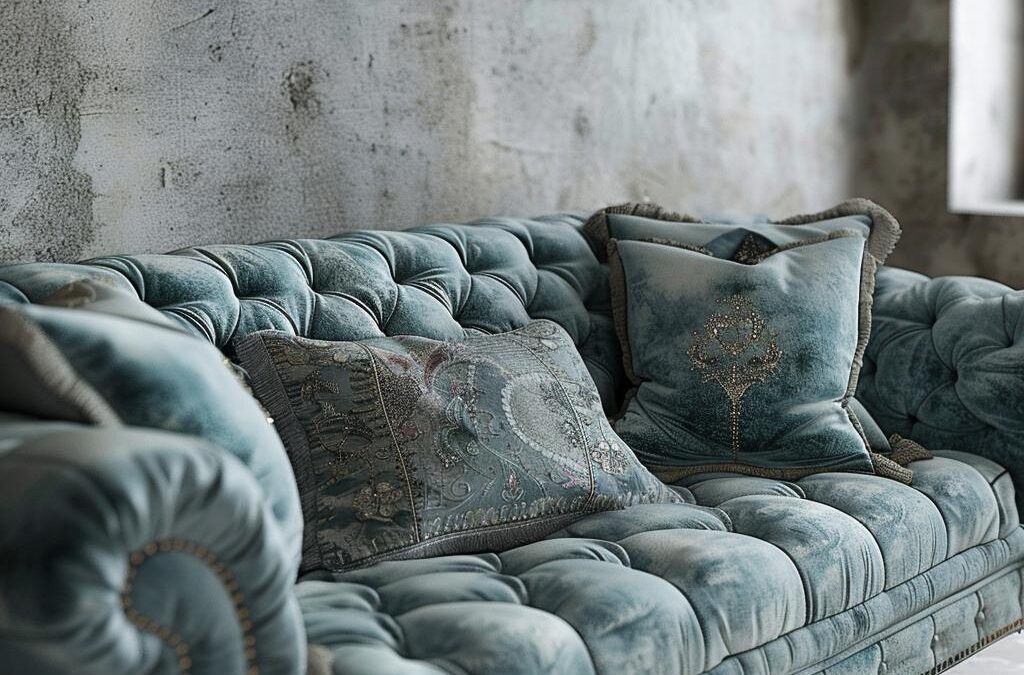
Furniture is more than just a place to rest; in the world of environmental science, soft surfaces act as “giant filters.” They trap everything that floats in the air—dust, allergens, pollutants, and skin cells. Over time, these filters become “full,” and the very furniture intended for comfort begins to impact the quality of the air your family breathes.
This guide explores the hidden challenges of maintaining a healthy home environment in Idaho Falls and the scientific approach to restoring your living space.
The Hidden Environment Within Your Sofa
Most homeowners wait for a visible spill or a noticeable odor before considering a deep clean for their furniture. However, the most damaging elements are often invisible to the naked eye.
1. The “Sandpaper Effect”
In Idaho Falls, the soil is rich in silica and fine volcanic particulates. When these microscopic “stones” are tracked into the house, they settle deep into the weave of your sofa. Every time someone sits down, these particles grind against the fabric fibers like sandpaper. This doesn’t just make the furniture look dirty; it physically destroys the structural integrity of the fabric, leading to premature thinning and “pilling.”
2. The Bio-Load of Daily Life
Soft surfaces are porous, meaning they absorb organic matter. Studies have shown that a standard used mattress or sofa can contain millions of dust mites and their waste products, which are primary triggers for asthma and seasonal allergies. In our region, where indoor air can become stagnant during the “inversion” months, this bio-load can significantly decrease respiratory comfort.
3. The Chemistry of Body Oils
Our skin naturally produces oils (sebum). When we lean against a headrest or armrest, these oils transfer to the fabric. Sebum is chemically “sticky,” meaning it acts as a magnet for every piece of dust or pet dander that passes by. Over time, this creates a layer of “traffic lane gray” that standard household vacuuming cannot remove because the bond is chemical, not just physical.
Why Idaho Falls Presents Unique Challenges
Living in the Snake River Valley means dealing with specific environmental factors that don’t apply to other regions.
High-Desert Dust & Agriculture
The surrounding potato and grain fields are essential to our economy, but they produce a fine, powdery dust that the Idaho wind carries into every crevice of your home. This dust is often alkaline, which can react with certain fabric dyes if left untreated, leading to permanent discoloration.
Hard Water Risks
The water in Bonneville County is notoriously “hard,” containing high levels of calcium and magnesium. When homeowners attempt to clean their own furniture with tap water and store-bought cleaners, they often leave behind mineral deposits. This makes the fabric feel stiff and “crunchy” and can actually attract more dirt, causing the furniture to get dirty again twice as fast.
Winter Inversions
During the winter, Idaho Falls often experiences temperature inversions that trap wood smoke and vehicle exhaust near the ground. These fine particulates (PM2.5) enter the home and settle into upholstery. Without deep extraction, these pollutants remain in your living room indefinitely.
A Scientific Approach to Restoration
Addressing these issues requires more than a surface scrub. To truly restore a healthy environment, a specific sequence of physics and chemistry must be followed.
Solving Common Upholstery Problems
| The Problem | The Scientific Solution | The Result |
| Abrasive Grit | High-CFM Industrial Vacuuming | Stops fiber wear and tear. |
| Sticky Body Oils | pH-Balanced Emulsification | Breaks the chemical bond of grime. |
| Allergens/Bacteria | 200°F+ Thermal Sanitization | Neutralizes dust mites and pathogens. |
| Pet Odors | Molecular Enzyme Treatment | Digests the odor at the source. |
| Slow Drying/Mold | High-Velocity Extraction | Prevents microbial growth in the foam. |
The Importance of pH Balance
Every fabric has a “safe” pH range. Using a high-pH cleaner on a natural wool or cotton blend can cause the fibers to “brown” or shrink. A professional approach involves testing the fabric first and using a balanced rinse that leaves the furniture in a neutral state, ensuring the softest possible feel.
Frequently Asked Questions from Idaho Residents
Is it better to clean upholstery or just replace it?
Most high-quality furniture is designed to last 15–20 years. If the frame is sturdy, a professional restoration can typically remove 95% of soils and odors, extending the life of the piece for a fraction of the cost of a new purchase.
Can “Dry Clean Only” furniture be cleaned?
Yes. Modern restoration technology allows for “low-moisture” or “dry-solvent” cleaning. This protects delicate fabrics like silk or velvet from water-ringing and shrinkage while still removing oils and dust.
How do I know if a cleaner is safe for my children and pets?
Always look for solutions that are VOC-free and biodegradable. The goal of cleaning should be to remove contaminants, not to add new chemical ones to your home.
What to Look For
If you decide to seek professional help for your home, it is vital to ensure the provider follows the IICRC (Institute of Inspection, Cleaning and Restoration Certification) standards. These standards dictate exactly how much heat, pressure, and moisture should be used for different textile types.
Using an uncertified cleaner or a DIY machine often results in “over-wetting,” where the internal foam of the sofa stays damp for days, potentially leading to mold growth inside the cushions—a problem much worse than the original dirt.
Partnering with Elevate Cleaning ID
At Elevate Cleaning ID, we live and work in Idaho Falls. We understand the specific grit of our soil and the unique needs of our neighbors. Our mission isn’t just to make your sofa look better—it’s to make your home a healthier place to live.
We utilize truck-mounted, high-heat extraction systems that provide a level of deep cleaning that portable machines simply cannot match. By combining industrial power with eco-friendly, family-safe chemistry, we remove the “hidden environment” of pollutants from your home, leaving your furniture fresh, soft, and sanitized.
The Elevate Promise:
-
Localized Expertise: We know how to handle the hard water and agricultural dust unique to Bonneville County.
-
Certified Technicians: We follow the highest industry protocols to protect your investment.
-
Deep Restoration: We focus on the health of the furniture, from the surface fibers down to the inner padding.
Is it time to refresh your home’s “air filter”? We invite you to experience the difference that a professional, scientific clean can make.
Get a Free, No-Pressure Quote from Elevate Cleaning ID
Or call us today at 208-826-0276 to discuss your home’s specific needs.