


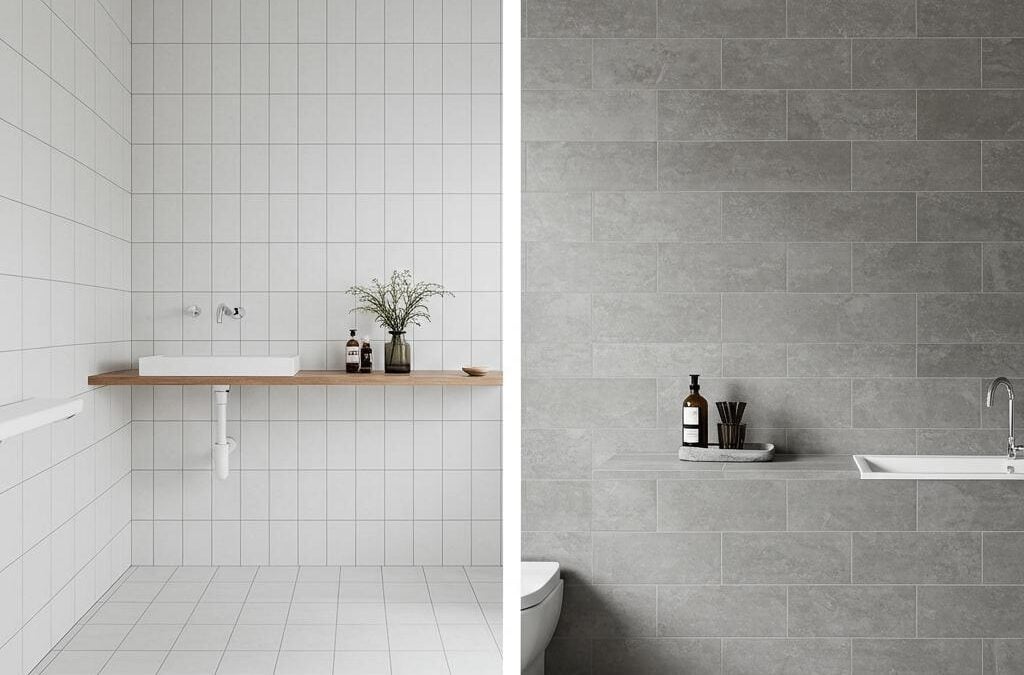
Tile floors in busy homes and commercial spaces need routine care to stay attractive and last longer. This guide summarizes practical cleaning routines, eco-friendly product options, grout care techniques and when to call professionals so you can preserve finish and reduce lifetime costs.
Routine maintenance also affects environmental impacts and long-term expenses tied to flooring.
Residential Flooring Maintenance: Environmental & Economic Impacts
Most life cycle assessment (LCA) studies for flooring exclude the environmental and economic impacts incurred from the maintenance required due to uncertainty in average cleaning procedures, although some studies indicate that it may be the most significant component of the life cycle. This study investigates the impacts of maintenance on types of flooring and develops a single scoring system to compare floors based on both environmental and economic impacts.
Impact of maintenance on life cycle impact and cost assessment for residential flooring options, 2014
Additional studies show regular maintenance influences both environmental and economic outcomes over a floor’s life.
Flooring Maintenance: Environmental & Economic Life Cycle Impact
Maintenance procedures may account for a significant portion of environmental and economic impacts of floorings. In the case of environmental scores, adding high maintenance to the life cycle can increase scores by anywhere from 31 % (hardwood) to 114 % (carpet). A sensitivity analysis of these scores shows that most of the score increase can be attributed to vacuuming. Maintenance costs considerably increase the total cost, accounting for 49 % of hardwood’s total cost and about 30 % of costs for linoleum, vinyl, and carpet. The expected service life of the home greatly influences which flooring is best, as costs and environmental scores change dynamically over time.
Impact of maintenance on life cycle impact and cost assessment for residential flooring options, 2015
Daily and Weekly Cleaning Practices
Establish a simple routine: remove abrasive debris daily and perform a damp-mop with a mild cleaner weekly to remove soils and preserve finish.
- Sweep or Vacuum Daily: Remove grit and dust to prevent scratches.
- Mop Weekly: Use a damp microfiber mop and a mild, pH-neutral cleaner.
- Spot Clean Immediately: Wipe spills promptly to avoid staining.
These basic steps cut long-term repair needs. If you prefer certified professionals, Elevate Cleaning ID offers specialized tile cleaning and restoration services.
Eco-Friendly Products Safe for Tile and Grout
Choose cleaners that are effective yet gentle to protect finishes and indoor air quality. Avoid harsh acids or abrasives on porous grout and some glazed tiles.
- Vinegar and Water: Good for light cleaning on many tiles (avoid on natural stone).
- Baking Soda: Mild abrasive for spot scrubbing of grout and stubborn spots.
- Biodegradable Cleaners: Look for pH-balanced, biodegradable labels for safer regular use.
Selecting eco-friendly options supports occupant safety and reduces environmental impact while protecting tile and grout.
Research on sustainable tile polishing and manufacturing supports greener maintenance choices.
Eco-Friendly Porcelain Tile Polishing Performance
The polishing behavior of three different eco-friendly compositions, with 5, 10 and 15 wt% of brick and roof tile wastes, was evaluated, showing that the incorporation of these wastes can lead to eco-friendly porcelain stoneware tiles with good polishing performance.
Polishing performance of eco-friendly porcelain stoneware tiles reusing bricks and roof tiles wastes, JC Aurich, 2020
Effective Grout Cleaning Methods
Grout is absorbent and benefits from focused treatments. Use gentle, targeted methods to lift soils without damaging adjacent tiles.
- Baking Soda Paste: Apply paste, scrub, and rinse for deeper grout cleaning.
- Hydrogen Peroxide: Use on stubborn stains; allow to sit briefly before scrubbing.
- Professional Cleaning: Consider professionals for heavily soiled or discolored grout.
Used correctly, these approaches refresh grout and improve the overall tile appearance.
Choose methods appropriate to your tile and grout composition and environmental conditions.
Comprehensive Surface Cleaning Techniques & Methodologies
In this chapter, an overview of the main cleaning techniques used in the past and trends in cleaning interventions are presented and discussed. The requirements for the selection of the best cleaning methodology according to the substrate, deterioration pattern, and micro- and macro- environmental factors are discussed. An overview of different classes of cleaning methods is presented, with a particular focus on the best methodologies and materials for mechanical and chemical cleaning.
Surface cleaning: implications from choices & future perspectives, PN Maravelaki, 2022
Benefits of Professional Grout Cleaning
Professionals bring equipment, expertise and controlled methods that reduce damage risk and deliver deeper, longer-lasting results.
- Thorough Cleaning: Removes embedded dirt not accessible to home tools.
- Time-Saving: Faster, consistent results for large or difficult areas.
- Expertise: Correct chemical and mechanical choices for each tile type.
Elevate Cleaning ID offers grout cleaning designed to protect tiles and occupant health.
Recommended DIY Techniques for Grout Maintenance
Regular, simple measures delay deterioration and reduce professional intervention frequency.
- Regular Sealing: Reseal grout every 6–12 months, depending on wear.
- Use Gentle Cleaners: Avoid harsh acids and strong alkalis on grout.
- Routine Scrubbing: Lightly scrub grout weekly to prevent buildup.
These routines support grout condition and the longevity of tiled surfaces.
Importance of Sealing
A good sealant reduces stain penetration and moisture ingress, lowering cleaning needs and extending grout life.
- Prevents Stains: Limits dirt uptake into grout.
- Extends Lifespan: Reduces need for frequent repairs or replacement.
- Easier Cleaning: Sealed grout cleans with less effort.
Applying and maintaining the right sealant is a cost-effective protective step.
Controlled studies on grout sealing support its effectiveness for durability and performance.
Grout Sealing Effectiveness for Tile Durability
The main objective of the work presented in this paper is to evaluate the effectiveness of using three inorganic expansive agents in developing expansive cementitious grouts for sealing applications, which can be used to improve the durability and performance of structures.
Evaluation of the sealing effectiveness of expansive cement grouts through a novel water penetration test, P Carballosa, 2020
How Often Should You Clean Tile Floors to Maintain Their Appearance?
Match cleaning frequency to foot traffic to reduce cumulative wear and preserve finish.
- High-Traffic Areas: Daily sweeping or vacuuming; spot mop as needed.
- Moderate-Traffic Areas: Every other day or weekly mopping.
- Low-Traffic Areas: Weekly cleaning is usually sufficient.
Consistent schedules help prevent long-term deterioration and maintain function and appearance.
When Should You Consider Professional Tile Floor Restoration Services?
Professional restoration is recommended for conditions that DIY cleaning cannot correct reliably.
- Visible Wear and Tear: Significant scratches, dullness or loss of finish.
- Stubborn Stains: Persistent discoloration after regular cleaning.
- Grout Damage: Cracked, spalled or heavily discolored grout.
Elevate Cleaning ID offers restoration solutions to reclaim appearance and function.
What Signs Indicate the Need for Expert Tile Cleaning or Repair?
Act early to limit damage — key signs include loss of sheen, failing grout, or persistent odors from trapped moisture.
- Dull Appearance: Loss of original shine despite cleaning.
- Cracked Grout: Visible cracks that allow moisture entry.
- Persistent Odors: Smells that indicate trapped soils or moisture.
If you notice these issues, contact Elevate Cleaning ID for an evaluation and recommended plan.
How Does Elevate Cleaning ID Ensure Safe and Reliable Tile Restoration in Idaho Falls?
Elevate Cleaning ID uses measured protocols emphasizing occupant safety and material preservation, with eco-friendly products and modern cleaning tools.
- Eco-Friendly Products: Gentle, approved cleaners chosen for effectiveness and safety.
- Customer Satisfaction: Work performed to meet quality expectations.
- Advanced Technology: Equipment and methods for better restoration outcomes.
Their practical experience supports reliable tile maintenance and restoration in Idaho Falls.
Frequently Asked Questions
What types of tile are best for high-traffic areas?
Choose hard, low-porosity tiles such as porcelain or dense ceramic with a suitable PEI rating; textured finishes improve traction.
How can I prevent my tile floors from becoming slippery?
Use textured tiles or anti-slip treatments, keep surfaces clean and promptly remove spills; area rugs help in transition zones.
What are the benefits of using biodegradable cleaners for tile maintenance?
Biodegradable cleaners are milder, reduce ecological risk, support indoor air quality and are safer for homes with children and pets.
How can I tell if my grout needs sealing?
Do a water test: if water beads, the seal is good; if it soaks in, reseal. Reinspect grout every 6–12 months.
What should I do if my tile floors have deep scratches?
Minor scratches can be addressed with a repair kit; for severe damage consult a professional about repair, refinishing or replacement.
Are there specific tools recommended for cleaning tile floors?
Use a soft-bristle broom or hard-floor vacuum, a microfiber mop, and a grout brush for lines. Confirm tool compatibility with your tile type.
Conclusion
Consistent maintenance, safe cleaning choices and timely professional intervention preserve tile appearance and extend service life. For tailored support, contact Elevate Cleaning ID to arrange an assessment and service plan for tile cleaning service in Idaho Falls.